All about SWL

Expert information, personalized support, and care you can trust — at every step.​

What is SWL?

Shockwave Lithotripsy (SWL) is a non-invasive medical procedure used to break kidney stones into smaller pieces using focused sound waves. Unlike traditional surgery, SWL does not require any incisions or instruments entering the body.

Key Differences from Traditional Surgery:
  • No cuts or stitches
  • Usually performed on an outpatient basis
  • Reduced pain, faster recovery
  • Lower risk of infection or complications

SWL is commonly used to treat kidney and ureteral stones that are too large to pass on their own but can be broken down into fragments that the body can expel naturally

How SWL Works?

 A step-by-step look at the treatment process

  • Positioning: You’ll lie on a treatment table. Your body will be adjusted so that the stone is in the optimal location for targeting.
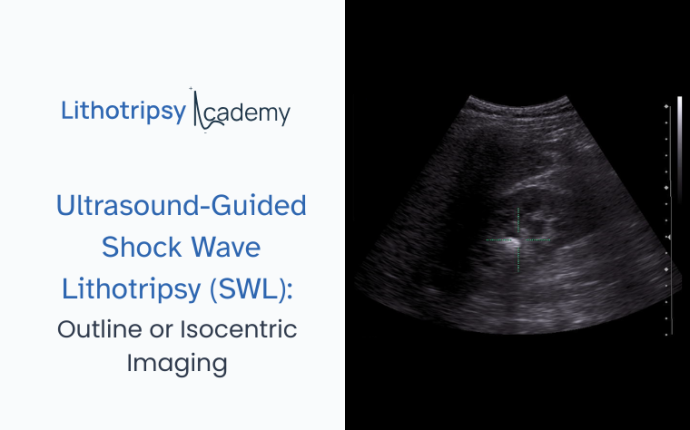
  • Imaging: Real-time X-ray or ultrasound is used to precisely locate the stone inside your urinary tract.
  • Shockwave Delivery: A machine called a lithotripter sends high-energy sound waves through your skin and tissue, focusing them directly on the stone.
  • Fragmentation: The shockwaves break the stone into tiny pieces over several minutes of treatment.
  • Passage: Over the next few days or weeks, the stone fragments pass naturally through the urinary tract during urination.

Benefits of SWL

Why many patients choose Shockwave Lithotripsy?

Outpatient Procedure

Typically completed in a few hours—no hospital stay needed.

Minimal Recovery Time

Most patients resume normal activities within 24–48 hours.

Safe for Children

SWL is suitable for pediatric patients when performed by specialists.

SWL is effective of the most of the stones.

Particularly efficient for stones up to 2 cm in size, depending on their composition and location.

Kidney stones
  • Pain Management: Using over-the-counter or prescription pain relievers to manage the discomfort.
  • Increased Fluid Intake: Drinking plenty of water (at least 2-3 liters per day) to help flush the stone out naturally.
  • Medications: In some cases, medications called alpha-blockers may be prescribed to relax the muscles in the ureter, making it easier for the stone to pass.
  • Strain Your Urine: Your doctor may advise you to strain your urine to collect any passed stones for analysis, which can help determine their composition and guide future prevention strategies.

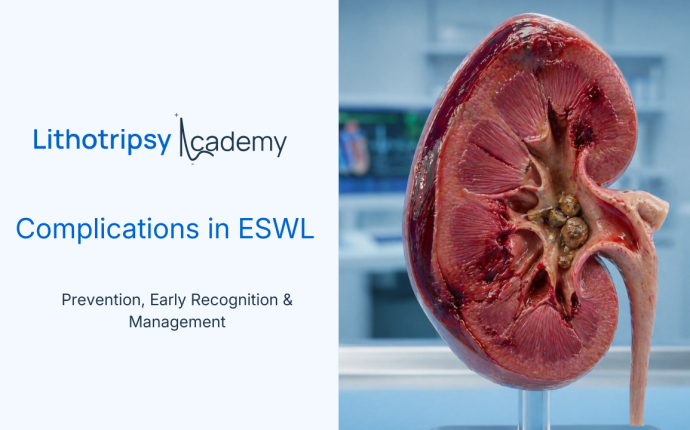
ESWL is a non-invasive procedure that uses shock waves to break kidney stones into smaller pieces. These smaller fragments can then pass more easily through the urinary tract…read more  

If ESWL is not suitable or unsuccessful, other minimally invasive surgical options are available:

  • Ureteroscopy: This procedure involves passing a thin, flexible telescope with a camera (ureteroscope) through the urethra and bladder into the ureter. Once the stone is located, it can be retrieved with a small basket or forceps, or it can be broken into smaller pieces using a laser or other energy source (laser lithotripsy). This is often used for stones in the ureter or lower kidney.
  • Percutaneous Nephrolithotomy (PCNL): This procedure is typically used for larger kidney stones. A small incision is made in your back, and a hollow tube is inserted directly into the kidney. The stone is then located and removed or broken up using specialized instruments. PCNL usually requires a short hospital stay.

Treatment options

Hover over the region where your stone is located to explore the best treatment options for that location.

Treatment options
Renal Pelvis stone (right) Upper pole stone (right) Lower pole stone (right) Middle Pole Stone (right) Upper Ureter stone (right) Renal Pelvis stone (left) Upper pole stone (left) Middle Pole Stone (left) Lower pole stone (left) Upper Ureter stone (left) Lower Ureter stone (right) Lower Ureter stone (left)

Renal Pelvis stone (right)

If your stone is not larger than 15 mm and its density is below 1000 Hounsfield units, Shock Wave Lithotripsy (SWL) is often the best treatment option. It’s a non-invasive procedure, so you usually don’t need surgery.

Upper pole stone (right)

If your stone is smaller than 15 mm and has a density below 1000 Hounsfield units, Shock Wave Lithotripsy (SWL) is often a good treatment choice — as long as the anatomy is suitable. It’s a gentle, non-invasive procedure, so surgery is usually not necessary.

Lower pole stone (right)

If your stone is smaller than 15 mm and has a density below 1000 Hounsfield units, Shock Wave Lithotripsy (SWL) is often a good treatment choice — as long as the anatomy is suitable. It’s a gentle, non-invasive procedure, so surgery is usually not necessary.

Middle Pole Stone (right)

If your stone is smaller than 15 mm and has a density below 1000 Hounsfield units, Shock Wave Lithotripsy (SWL) is often a good treatment choice — as long as the anatomy is suitable. It’s a gentle, non-invasive procedure, so surgery is usually not necessary.

Upper Ureter stone (right)

If your stone is smaller than 15 mm and has a density below 1000 Hounsfield units, Shock Wave Lithotripsy (SWL) is often a good treatment choice — as long as the anatomy is suitable and the stone is not obstructing for long time. It’s a gentle, non-invasive procedure, so surgery is usually not necessary.

Renal Pelvis stone (left)

If your stone is not larger than 15 mm and its density is below 1000 Hounsfield units, Shock Wave Lithotripsy (SWL) is often the best treatment option. It’s a non-invasive procedure, so you usually don’t need surgery.

Upper pole stone (left)

If your stone is smaller than 15 mm and has a density below 1000 Hounsfield units, Shock Wave Lithotripsy (SWL) is often a good treatment choice — as long as the anatomy is suitable. It’s a gentle, non-invasive procedure, so surgery is usually not necessary.

Middle Pole Stone (left)

If your stone is smaller than 15 mm and has a density below 1000 Hounsfield units, Shock Wave Lithotripsy (SWL) is often a good treatment choice — as long as the anatomy is suitable. It’s a gentle, non-invasive procedure, so surgery is usually not necessary.

Lower pole stone (left)

If your stone is smaller than 15 mm and has a density below 1000 Hounsfield units, Shock Wave Lithotripsy (SWL) is often a good treatment choice — as long as the anatomy is suitable. It’s a gentle, non-invasive procedure, so surgery is usually not necessary.

Upper Ureter stone (left)

If your stone is smaller than 15 mm and has a density below 1000 Hounsfield units, Shock Wave Lithotripsy (SWL) is often a good treatment choice — as long as the anatomy is suitable and the stone is not obstructing for long time. It’s a gentle, non-invasive procedure, so surgery is usually not necessary.

Lower Ureter stone (right)

If your stone is smaller than 15 mm and has a density below 1000 Hounsfield units, Shock Wave Lithotripsy (SWL) is often a good treatment choice — as long as the anatomy is suitable and the stone is not obstructing for long time. It’s a gentle, non-invasive procedure, so surgery is usually not necessary.

Lower Ureter stone (left)

If your stone is smaller than 15 mm and has a density below 1000 Hounsfield units, Shock Wave Lithotripsy (SWL) is often a good treatment choice — as long as the anatomy is suitable and the stone is not obstructing for long time. It’s a gentle, non-invasive procedure, so surgery is usually not necessary.