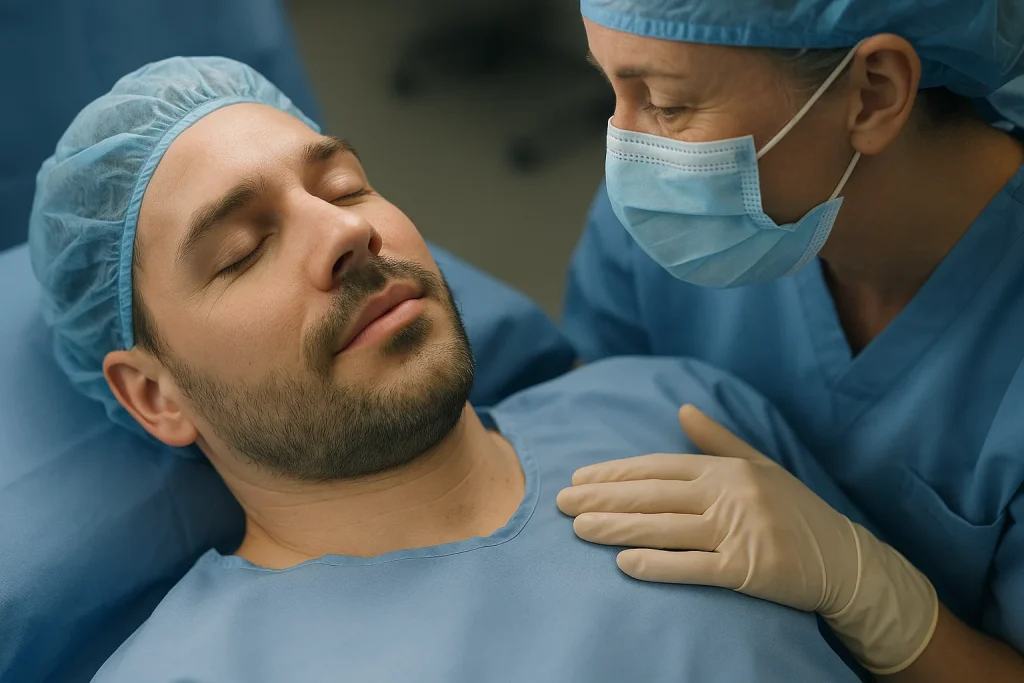
Kidney Stones and Shockwave Lithotripsy: A Patient Guide

Being diagnosed with a kidney stone can raise many questions. Will it pass on its own? Will you need treatment? And what can you expect afterwards?

This guide explains kidney stones, shockwave lithotripsy (SWL), and what happens before, during and after treatment. You’ll also find practical advice on recovery, follow-up care and reducing your risk of another stone.

Understanding Kidney Stones

Kidney Stone Basics

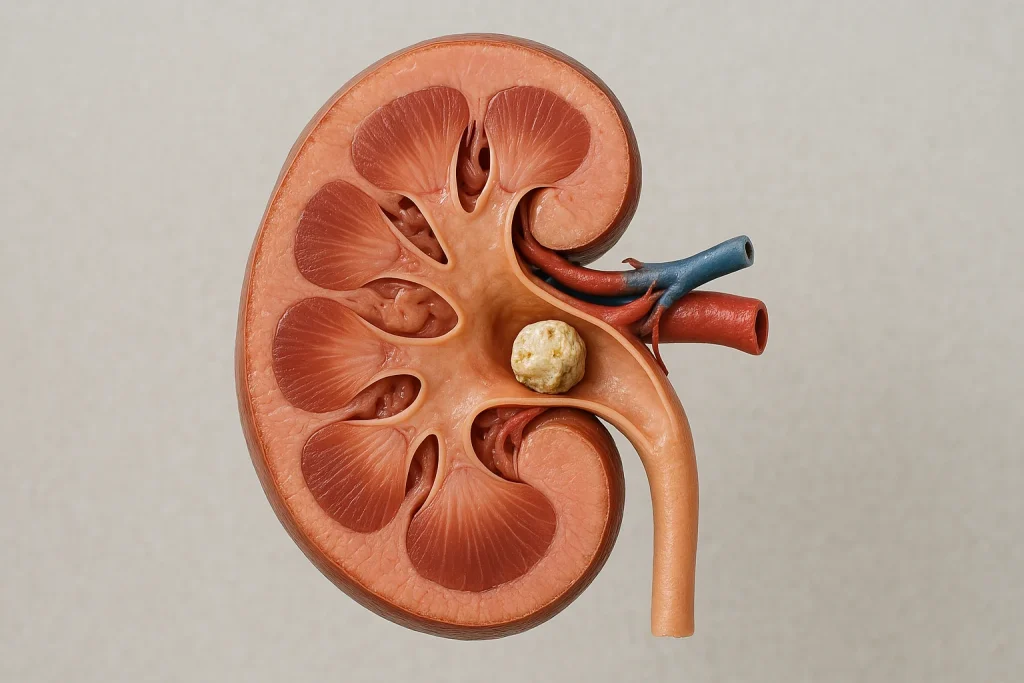
Kidney stones are hard lumps that form when minerals in urine build up and stick together. Some stones cause no problems, while others can lead to severe pain when they move through the urinary tract.

Learn why kidney stones form, what symptoms to look for and how doctors decide whether treatment is needed.

Diagram showing the formation of kidney stones in the urinary tract.

About Shockwave Lithotripsy

What Is Shockwave Lithotripsy?

Shockwave lithotripsy (SWL) is a treatment that uses focused shockwaves to break certain kidney and ureter stones into smaller pieces. These pieces may then pass naturally through urine.

SWL does not require a surgical cut, but it is not suitable for every stone. Learn how it works, when it may be recommended and what results you can expect.

Day of Procedure

Before Your Treatment

Good preparation can make your treatment day easier. Your care team will explain any tests you need, which medicines to discuss and whether you should avoid eating or drinking before the procedure.

Find out what to bring, what to ask your doctor and how to prepare for your SWL appointment.

During SWL

What Happens During SWL?

During treatment, your care team uses ultrasound or X-ray images to locate the stone. A lithotripter then sends focused shockwaves towards it to help break it into smaller pieces.

You may receive pain relief or sedation to keep you comfortable. Find out what you might feel and how the team monitors your treatment.

Recovery After SWL

Recovering After Shockwave Lithotripsy

Many people return to their usual activities within a few days, although recovery varies. You may notice some blood in your urine or feel discomfort as stone fragments begin to pass.

Learn what to expect at home, how to manage discomfort and which symptoms mean you should contact your care team.

A patient resting comfortably at home with a glass of water after shockwave lithotripsy.

Stone Fragmentation and Passage​

Passing Stone Fragments After SWL

After shockwave treatment, broken stone pieces may pass in your urine over the following days or weeks. Some fragments pass without being noticed, while others can cause discomfort.

Find out what stone passage may feel like, how to recognise possible problems and why follow-up imaging may still be needed.

Risks & Complications

SWL Safety

Like any medical procedure, shockwave lithotripsy has possible side effects and complications. Temporary blood in the urine and discomfort can occur. Less commonly, patients may develop an infection, bleeding or a blockage caused by stone fragments.

Learn which symptoms are expected, which need medical attention and when to seek urgent help.

Follow-Up & Prevention

After Treatment: Follow-Up and Stone Prevention

Feeling better does not always mean every stone fragment has passed. Your doctor may recommend follow-up imaging to check the result and decide whether any further care is needed.

Learn about follow-up appointments, stone analysis, fluid intake and everyday changes that may help lower your risk of another kidney stone.

Frequently Asked Questions

Your Questions About SWL, Answered

Will shockwave lithotripsy hurt? How long does treatment take? When can you return to work? What happens if the stone does not break?

Find straightforward answers to common questions about kidney stones, SWL treatment, recovery and follow-up care.

Patient Resources

Kidney Stone Care Tools

Our interactive tools can help you understand topics such as daily fluid intake, stone passage, recovery and the risk of future kidney stones.

They are designed for education and planning, not diagnosis. Any estimates should be discussed with your healthcare professional, especially when making treatment decisions.

When Should You Seek Medical Help?

Kidney stones can cause severe pain, and some symptoms need urgent attention.

Seek urgent medical care if you have:

  • Fever or chills along with symptoms of a kidney stone.

  • Severe pain that is getting worse or cannot be controlled.

  • Repeated vomiting or difficulty keeping fluids down.

  • Trouble passing urine or an inability to urinate.

If you have recently undergone SWL, follow the emergency instructions provided by your treatment team.

This website offers general information and does not replace medical advice.