Call Us: +91925476854
Learn SWL through expert-led courses, imaging-based training, practical treatment insights, and patient-focused educational resources.
Every Shock Wave Lithotripsy session begins with the same intent: fragment the stone effectively while protecting the kidney.
What follows, however, is rarely straightforward.
Stone size alone does not tell the full story.
Stone location changes energy behavior
Density alters stone response
anatomy, age and tolerance shapes how far energy can be safely escalted
In daily practice, these variables converge in real time. Decisions are often made under pressure, guided by experience, habit, or institutional norms. Sometimes this leads to conservative settings that compromise fragmentation. At other times, it risks pushing energy higher than truly necessary. Neither reflects poor practice. They reflect the reality of SWL.
A clinical decision-support tool designed to help plan Shock Wave Lithotripsy with clarity, consistency, and patient safety in mind.
Deliver effective fragmentation without unnecessary renal tissue stress.
Bring consistency across operators, sessions, and similar clinical scenarios.
Support safer escalation and avoid over- or under-treatment.
A structured framework that complements clinical judgment.
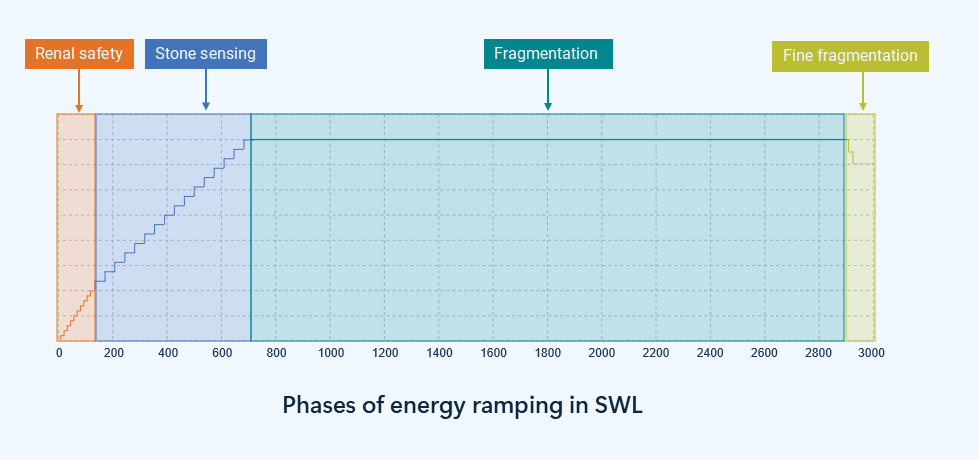
Shock Wave Lithotripsy is not a single-energy, single-speed treatment. The way energy is introduced, increased, maintained, and reduced has a direct impact on stone fragmentation, tissue safety, and overall outcomes.
Ramping is the structured progression of shockwave energy during treatment. When done correctly, it allows the kidney and the stone to respond gradually, improving fragmentation efficiency while minimizing tissue injury.
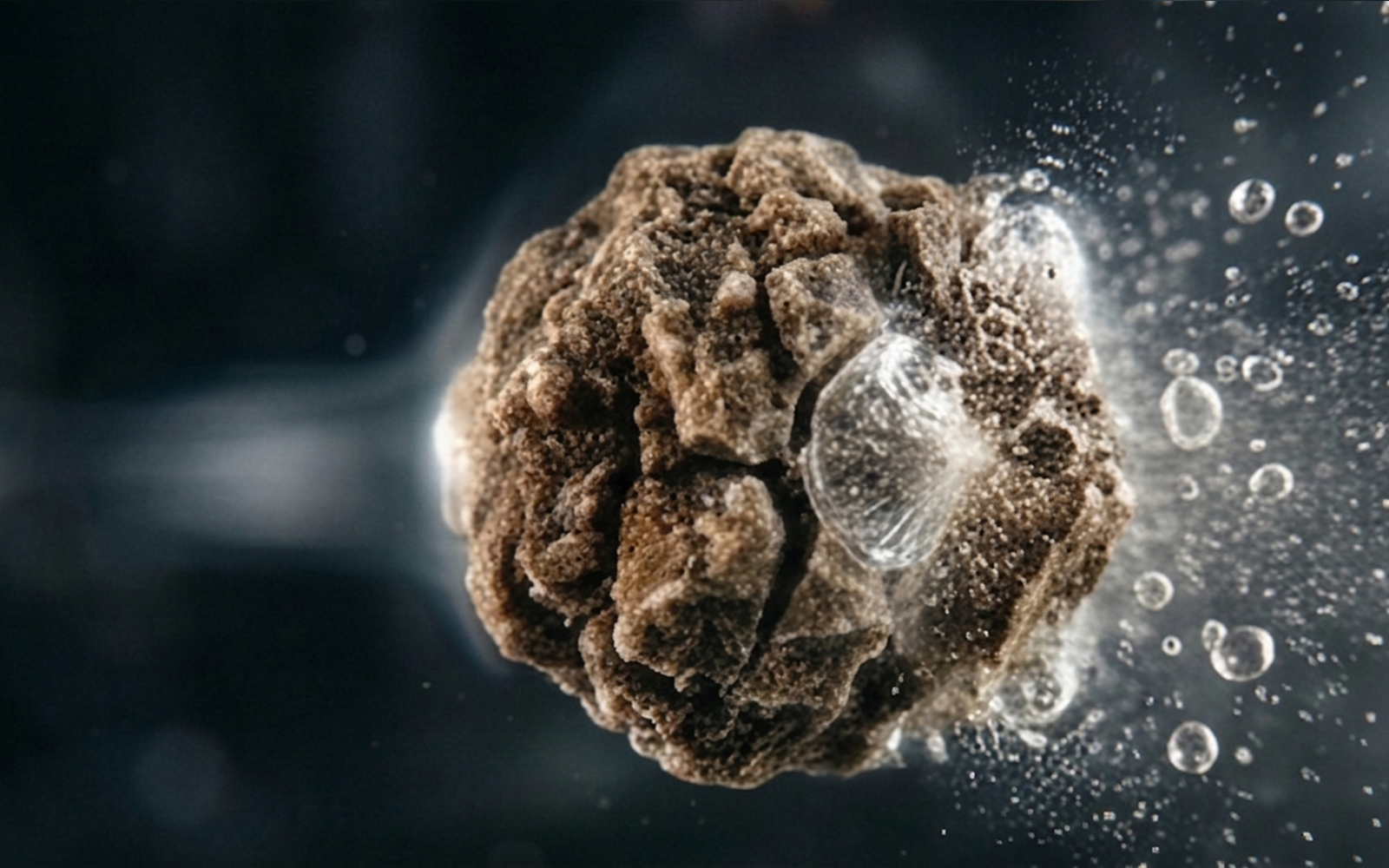
Initial low-energy shocks condition the kidney, promoting vasoconstriction and reducing tissue injury risk.
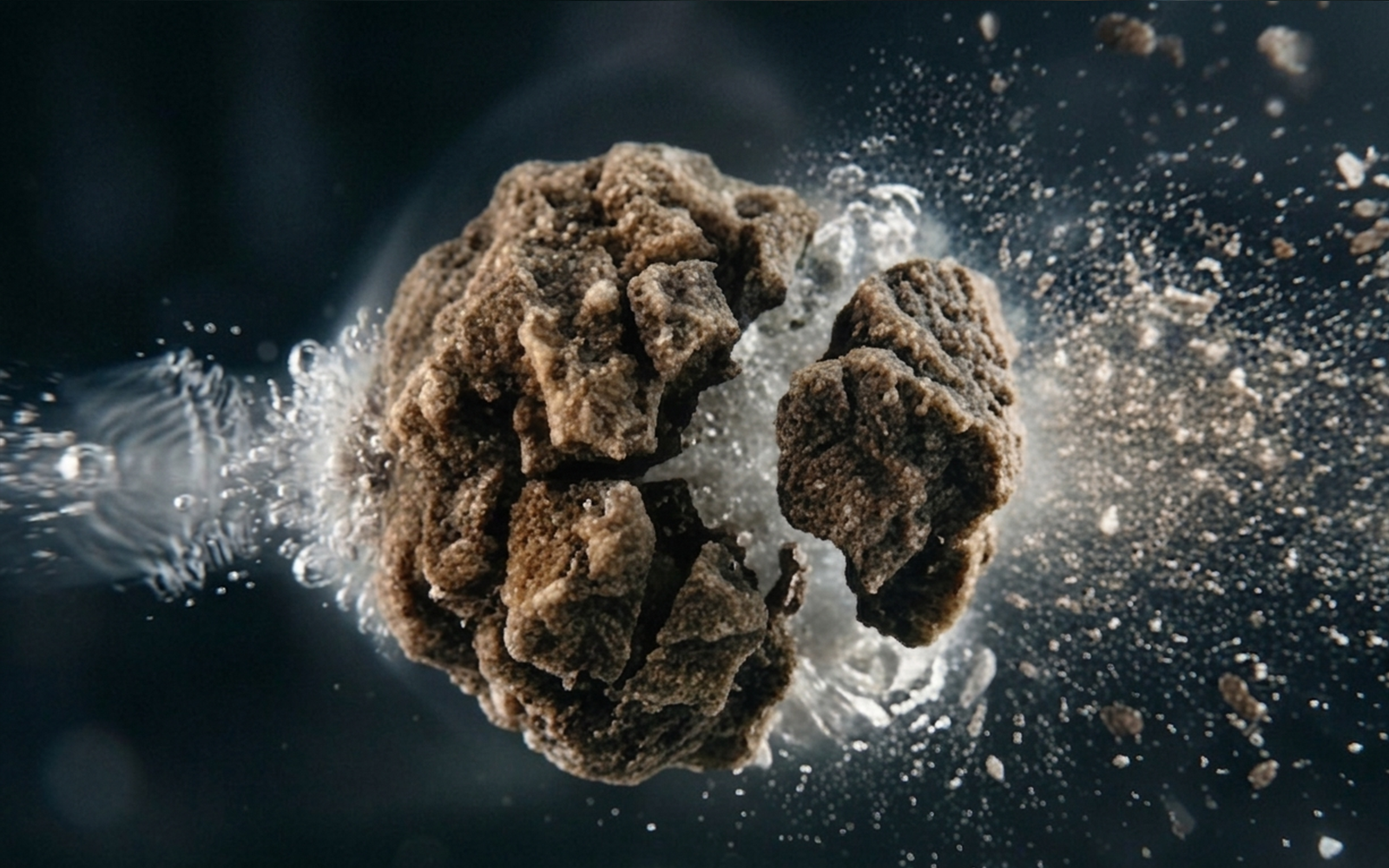
Gradual energy escalation begins, probing the stone structure and identifying zones of weakness.
Energy reaches near-therapeutic levels, with microcracks established across the stone matrix.
High-energy shocks are applied to actively break the stone into clinically significant fragments.
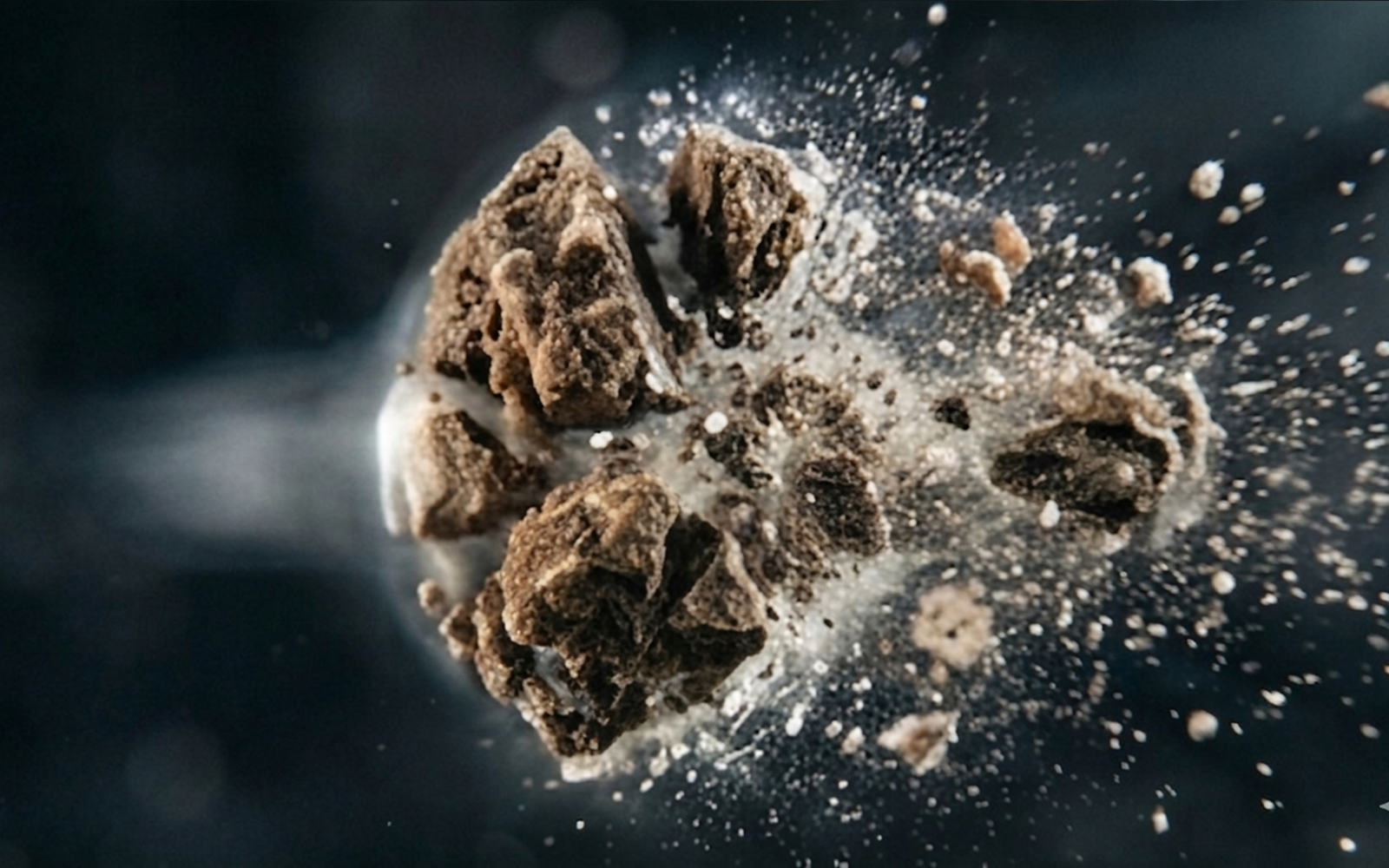
Major fragmentation is achieved, leaving smaller residual pieces ready for clearance.
Final controlled shocks refine fragments into fine particles, facilitating easier passage.
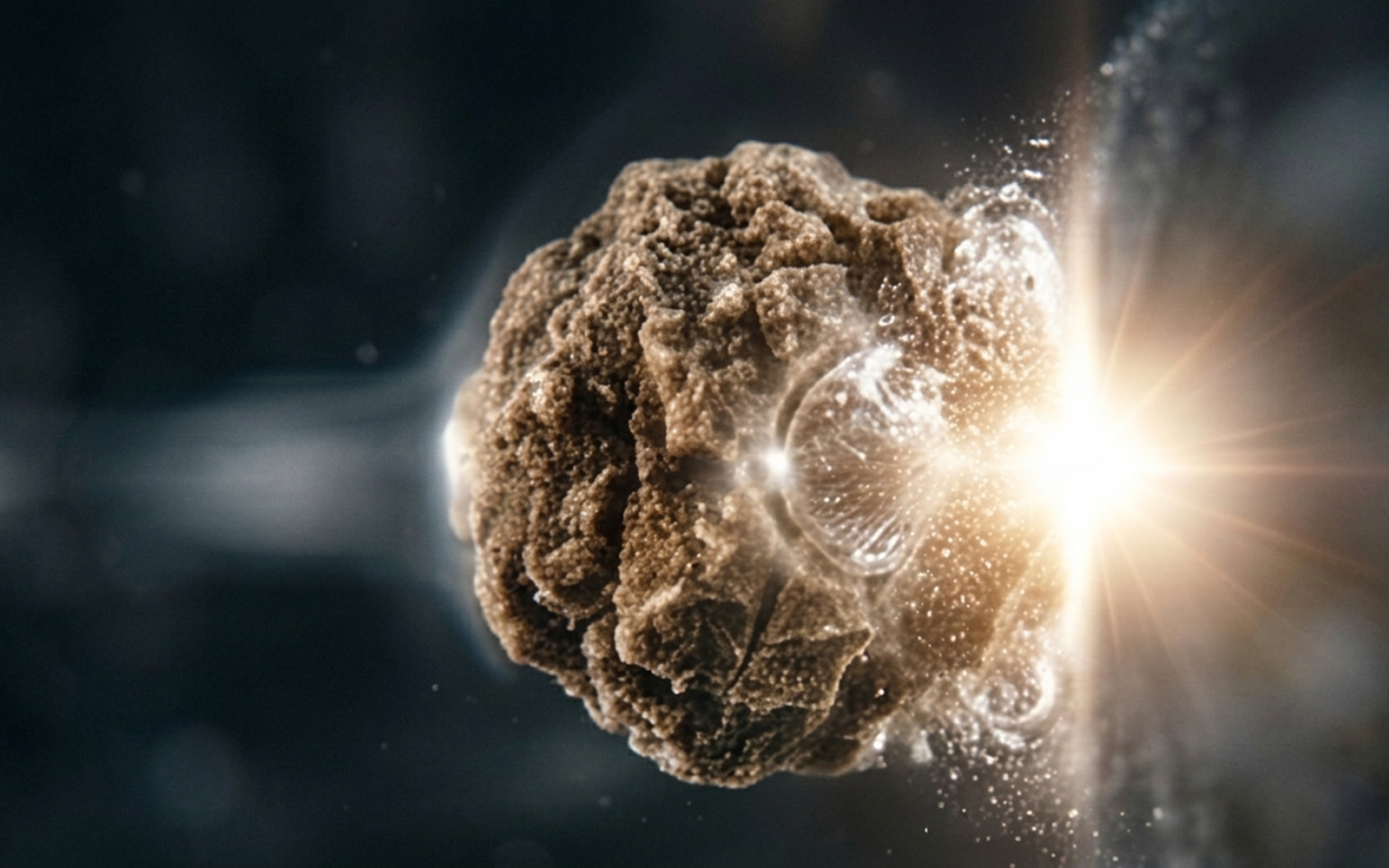
The protocol generator provides a structured output, but understanding the logic behind it is essential for safe and effective clinical application.
This course is designed to help you go beyond automated recommendations and develop a clear understanding of energy ramping, treatment phases, and patient-specific decision-making in shockwave lithotripsy.
You will learn how to interpret protocol outputs, adapt them to real clinical scenarios, and make confident intra-procedural adjustments based on stone behaviour and patient factors.
Whether you are using the protocol generator as a reference or as a daily clinical tool, this course provides the foundation to apply it with precision, consistency, and safety.
Start the course below to unlock the full potential of personalised SWL treatment.
$9.99 • Monthly Access
Register & SubscribeAlready a member? Log in