Structured Learning for Modern Lithotripsy Practice.
Lithotripsy Academy courses translate decades of clinical experience into structured, practical education for physicians and operators performing shockwave lithotripsy.
Evidence-based resources for physicians involved in stone management and shockwave lithotripsy. Explore clinical articles, practical tips, protocol tools, and structured courses designed to support safer patient selection, better treatment planning, and optimized SWL outcomes.
CLINICAL TOOL
Protocol Generator
Create personalized SWL treatment protocols based on stone location, size, density, BMI, and patient-specific clinical factors.
Lithotripsy Academy is guided by international scientific leadership and built through hands-on experience in shockwave lithotripsy. Our mission is to transform complex clinical decisions into structured, practical education for physicians, operators, and patients.
Understanding Kidney Stones
Learn what kidney stones are, why they form, and when treatment may be needed.
Lithotripsy Academy is a specialised educational initiative of Endourology Academy, created to provide dedicated, evidence-based education in Shock Wave Lithotripsy and Urinary Stone Management.
In Official Scientific Collaboration With.
Through its parent platform, Endourology Academy, Lithotripsy Academy works in official scientific collaboration with the International Alliance of Urolithiasis and SEGUR (South-eastern European Group of Urolithiasis Research) to support international knowledge exchange, professional education, research, and the advancement of clinical practice in urolithiasis.
International Alliance of Urolithiasis
South-Eastern European Group for Urolithiasis Research (SEGUR)
Driven by Expertise. Built by Experience.
Lithotripsy Academy is guided by international scientific leadership and built through hands-on experience in shockwave lithotripsy. Our mission is to transform complex clinical decisions into structured, practical education for physicians, operators, and patients.
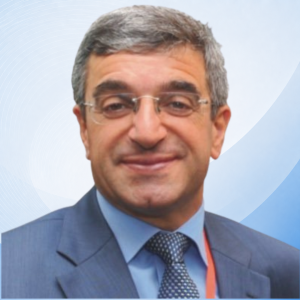
Kemal Sarica
Chair, Advisory Board
Scientific Leadership & Academic Guidance
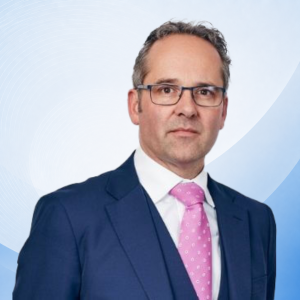
SameerParmar
Founder & Course Director
Academy Development, Course Strategy & Training Operations
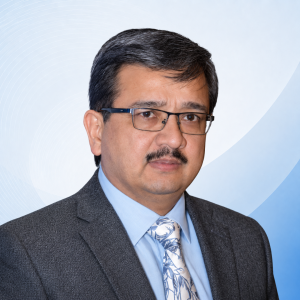
DaronSmith
Advisory Board Member
International Faculty Development & Clinical Education Strategy
Steffi
Yuen
Advisory Board Member
Clinical Research & Education
PankajMaheshwari
Advisory Board Member
Scientific Publications & Evidence Review
Latest Articles From Our Blog
Read expert-led articles designed to simplify kidney stone care, support better treatment decisions, and make shockwave lithotripsy education more accessible for clinicians, operators, and patients.