

Why hydration matters more than any supplement
The single most powerful prevention strategy for kidney stones is simple:
Dilute the urine.
When urine becomes concentrated, minerals like calcium, oxalate, and uric acid can crystallize. Over time, these crystals grow into stones.
More fluid = lower concentration = lower risk.
It’s that straightforward.
The “8 glasses a day” myth
You may have heard that everyone needs 8 glasses of water daily. That is not personalized medicine. Fluid needs depend on:
- Body weight
- Climate
- Activity level
- Sweating
- Medical conditions
A physically active person in a warm climate needs significantly more than someone sedentary in cool weather.
What actually matters: Urine output
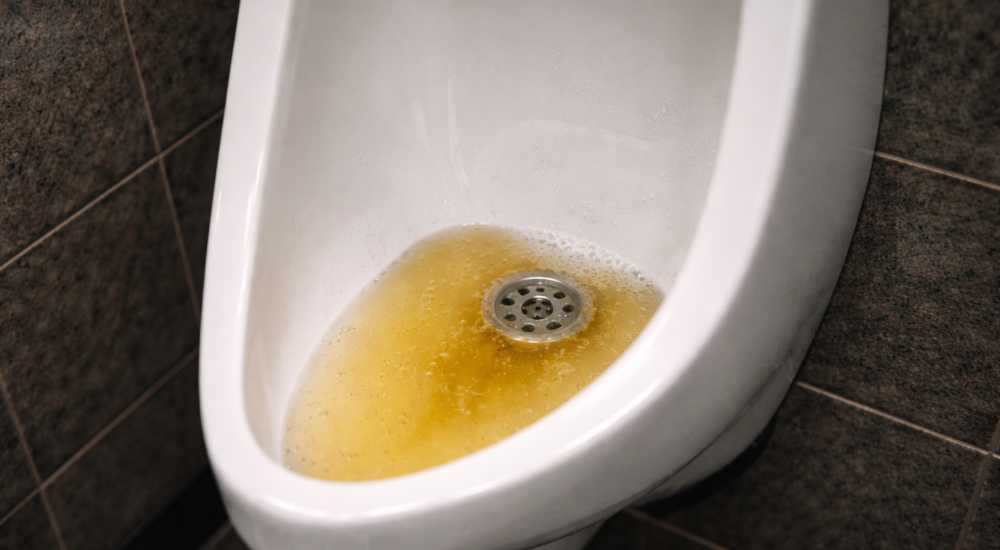
Instead of focusing only on how much you drink, focus on Producing at least 2 to 2.5 liters of urine per day. That usually requires drinking 2.5–3.5 liters of fluid daily, depending on your body. Clear to light-yellow urine is generally a good sign of adequate hydration.
Does coffee or tea count?
Yes, most fluids count toward hydration.
However:
- Excess sugary drinks may increase stone risk
- High sodium beverages can increase calcium excretion
- Excess cola intake may increase risk in some individuals
Water remains the safest and most reliable option.
Night-time hydration matters too
Stones often form when urine becomes concentrated overnight.
Practical tip:
- Drink a glass of water before bed
- Consider a small amount if you wake at night
Signs you are not drinking enough
- Dark yellow urine
- Strong urine odor
- Infrequent urination
- History of recurrent stones
Prevention is easier than treatment
Once you have had one stone, recurrence risk increases significantly. Hydration reduces that risk more than most medications in low-risk patients.
Calculate your personalized fluid requirement using our Hydration Calculator
Estimate your recurrence risk using our Stone Recurrence Tool
Read our guide on foods that increase stone risk